


What Is Valve Sizing? How Is Control Valve Sizing Performed?
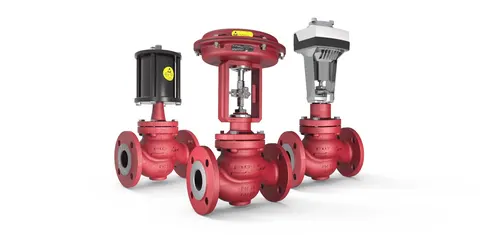
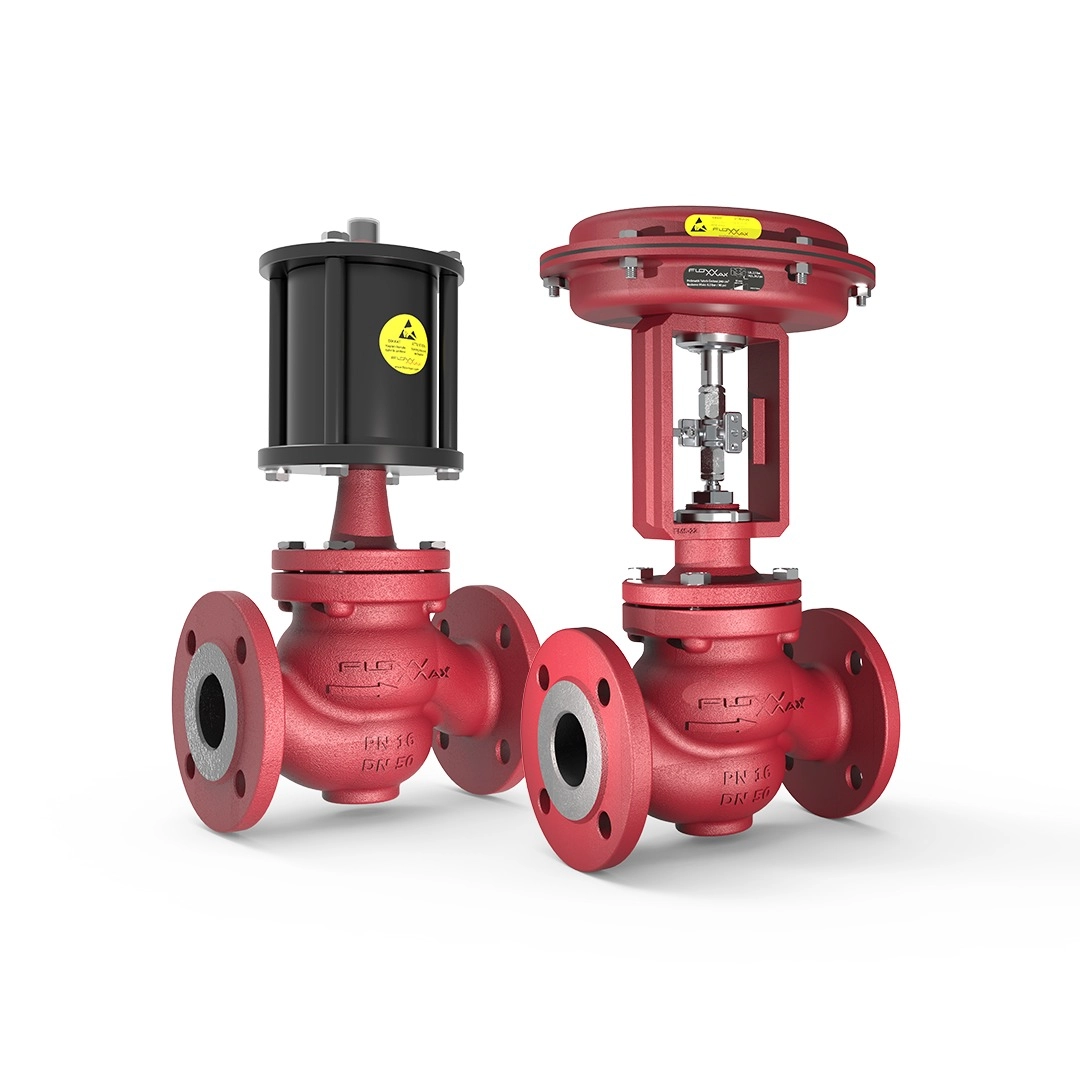
Selecting the right control valve is crucial for ensuring efficient and safe operation in industrial plants. A control valve is not selected
based solely on the pipe size. The fluid type, flow rate, pressure, temperature, and process conditions must all be evaluated together during valve selection.
This calculation and selection process is generally referred to as valve sizing, or control valve sizing.
What Is Valve Sizing?
Valve sizing is the process of calculating the required valve capacity to ensure that a control valve operates properly under specific process conditions. This process ensures that the valve is selected with sufficient capacity to accurately control the flow rate required by the system.
Properly performed valve sizing ensures that the valve is neither oversized nor undersized.
An incorrectly sized control valve can negatively affect process performance. An oversized valve can make precise control difficult, while an undersized valve may not be able to provide the flow rate required by the system.
Why Is Control Valve Sizing Important?
A control valve is one of the critical components in a process that requires precise control. Therefore, selecting the right valve directly affects overall system efficiency.
Incorrect valve selection can lead to the following issues:
-
Unstable process control
-
Unnecessary energy loss
-
Noise and vibration
-
Premature wear of valve internals
-
Insufficient flow capacity
-
Pressure drop issues
-
Increased maintenance costs
For this reason, actual operating conditions, not just the connection size, should be taken into consideration when selecting a control valve.
What Information Is Required for Valve Sizing?
Certain key process parameters are required when sizing a control valve. When these parameters are entered correctly, the valve selection process can be carried out much more accurately.
The required information generally includes:
-
Fluid type
-
Flow rate
-
Inlet pressure
-
Outlet pressure
-
Operating temperature
-
Fluid phase
-
Connection size
-
Valve type
-
Body and connection materials
-
Control objective
For example, the sizing criteria for a control valve used in a steam line are different from those for a control valve used in a water line. Valve selection for steam, gas, and liquid fluids is evaluated based on different parameters.
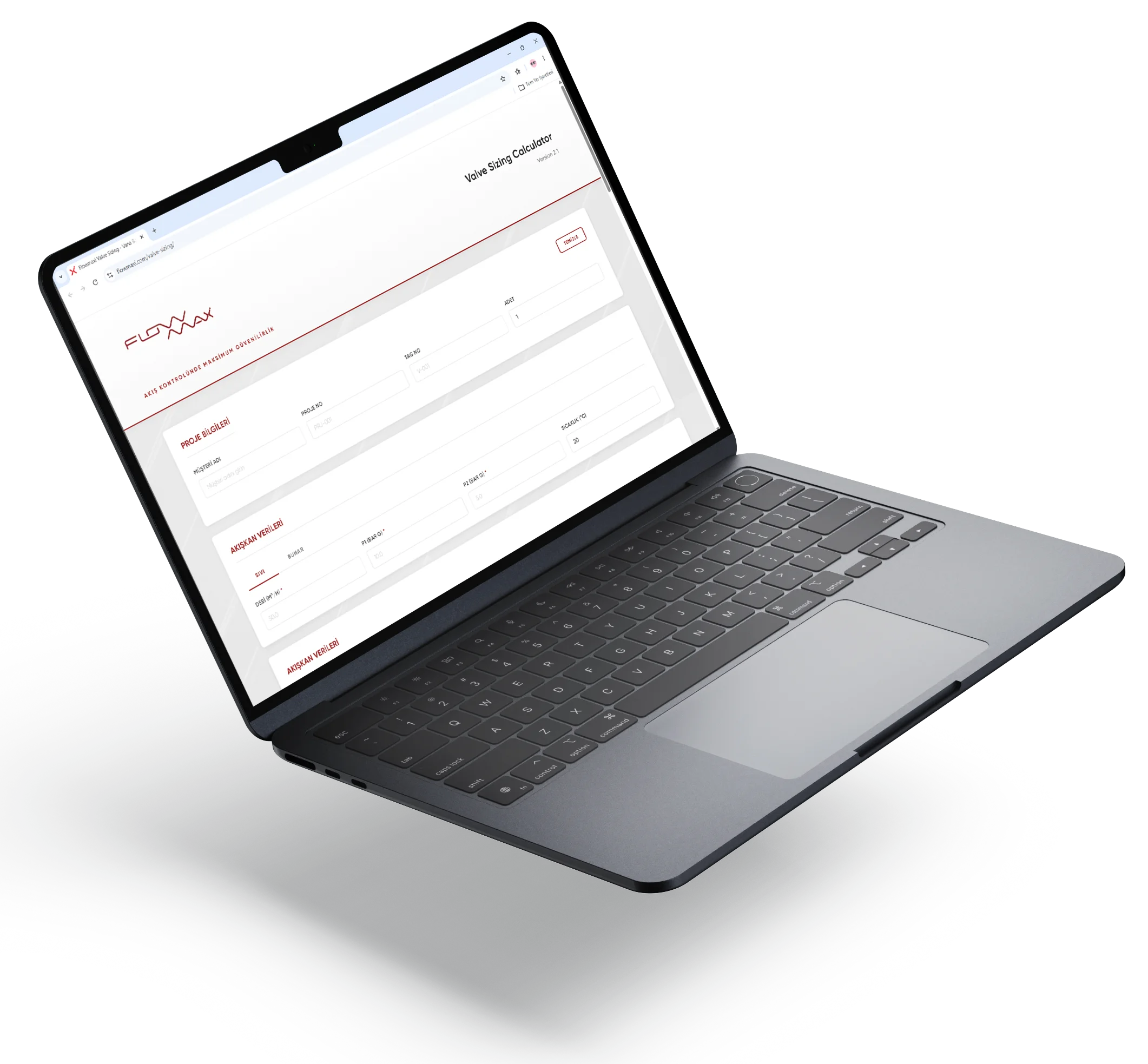
Flowmaxi Valve Sizing Application
At Flowmaxi, we offer a Valve Sizing Application to make the control valve selection process more practical and reliable.
With this application, users can enter their process parameters and perform a preliminary control valve selection. This makes the valve selection process faster, more technical, and more accurate.
The Flowmaxi Valve Sizing Application helps users select the right control valves for steam, water, air, and various other process fluids.
Conclusion
Valve sizing is one of the most important steps in control valve selection. Proper sizing ensures that the valve operates according to the process conditions and helps maintain overall system performance.
When selecting a control valve, the pipe size alone should not be considered. Fluid type, flow rate, pressure, temperature, and process requirements should all be evaluated together.
If you want to select the right control valve for your process, you can perform a preliminary selection using the Flowmaxi Valve Sizing Application or contact our technical team for support.