


Cavitation in Control Valves: Causes, Effects, and Solutions
Control valves are critical components in industrial plants, ensuring process continuity and operational
safety. However, cavitation is an important issue that is often overlooked and can gradually reduce valve performance while creating serious operational risks.
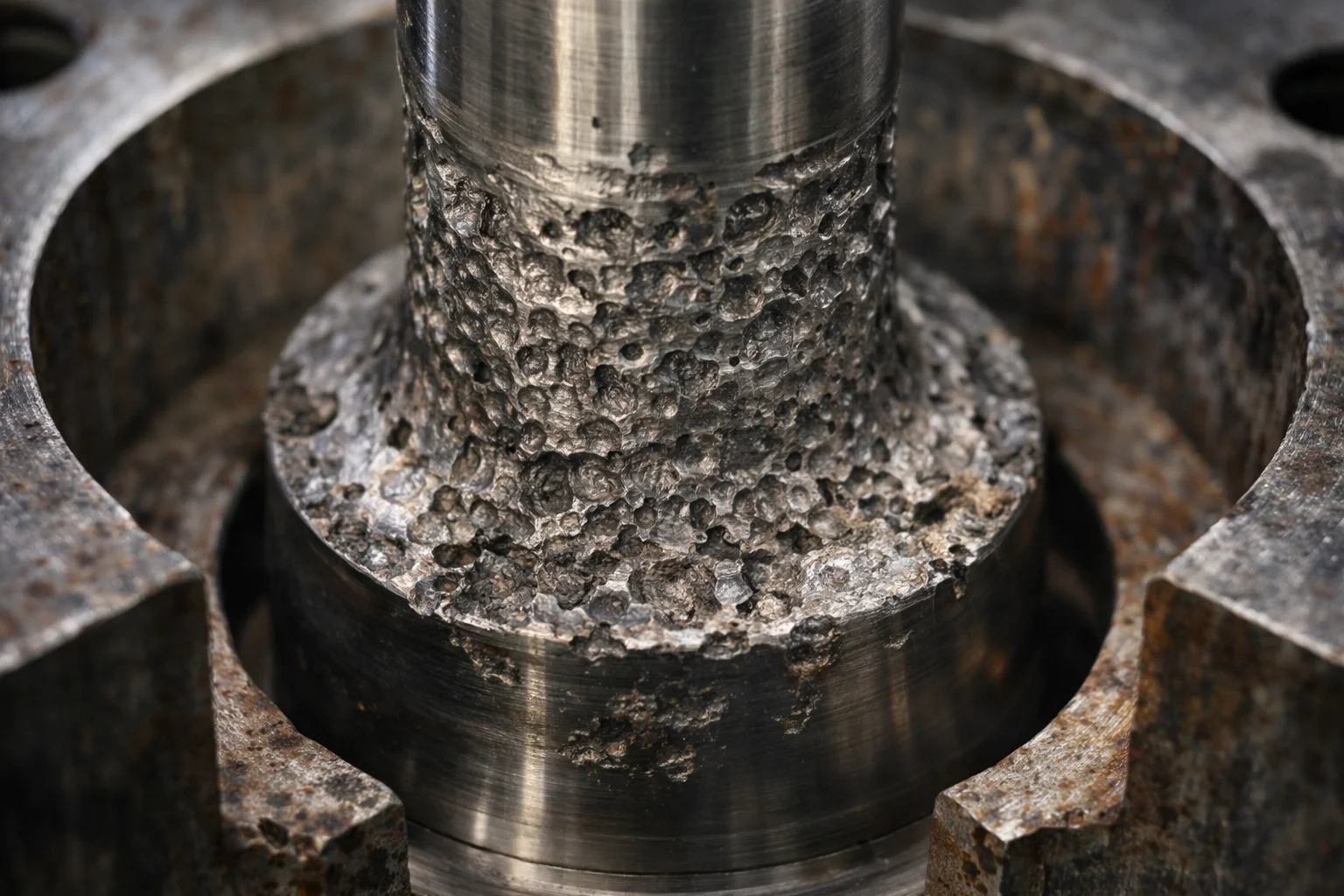
Cavitation should not be considered merely as noise or vibration. If left uncontrolled, it can lead to erosion of
valve internal surfaces, loss of sealing performance, damage to piping systems, and unplanned shutdowns. This increases maintenance costs while shortening equipment service life.
How Does Cavitation Occur?
Cavitation begins when the pressure of a liquid drops suddenly as it passes through the valve. When the pressure
falls below the liquid’s vapor pressure, microscopic bubbles form. As the flow continues and the pressure rises again, these bubbles collapse rapidly. The micr
o-shock effects generated during this collapse can cause erosion and damage to metal surfaces.
Signs of Cavitation
-
Crackling or “gravel-like” noise coming from the valve
-
Increased vibration
-
Pitting and metal loss on valve internal surfaces
-
Reduced control accuracy and sealing problems
Solution: Proper Trim and an Engineering-Based Approach
The key to preventing cavitation is selecting the appropriate trim technology and valve design according to the process conditions:
Multi-Stage Pressure Drop (Multi-Stage Trim): Reduces the pressure gradually over multiple stages rather than at a single point, minimizing the risk of cavitation.
Energy Dissipation Principles: Aim to dissipate flow energy within the fluid rather than allowing it to impact metal surfaces.
Hardened Material Options: Extend valve service life in applications with moderate cavitation risk.
Conclusion
If left undetected, cavitation can lead to costly failures and unplanned shutdowns. However, with proper analysis, sigma evaluation, and appropriate trim selection, this risk can be effectively managed.
Addressing cavitation during the design stage is critical for ensuring process safety and maintaining sustainable operational efficiency.